


Arsiokr Implant: Made of High‑Strength Grade 4 Cold‑Worked Titanium
The choice of implant material is one of the core factors affecting the long‑term success rate of dental implants. Currently, the mainstream implant materials include the following:
Pure Titanium: As the most widely used implant material, pure titanium offers excellent biocompatibility and achieves strong osseointegration with the alveolar bone. Its elastic modulus is close to that of natural teeth, causing minimal stress to the alveolar bone. It is non‑magnetic and does not interfere with imaging examinations such as CT or MRI. In clinical practice, Grade 4 pure titanium is commonly used.
Titanium Alloy: Building on the biocompatibility of pure titanium, titanium alloys further improve mechanical strength and corrosion resistance, while also offering a more competitive price.
Ceramic Materials: Materials such as zirconia excel in aesthetic outcomes, closely mimicking the appearance of natural teeth, and also provide good biocompatibility and corrosion resistance.
Cobalt‑Chromium Alloy: Although it has good corrosion resistance, its biocompatibility is generally lower than that of pure titanium and titanium alloys.
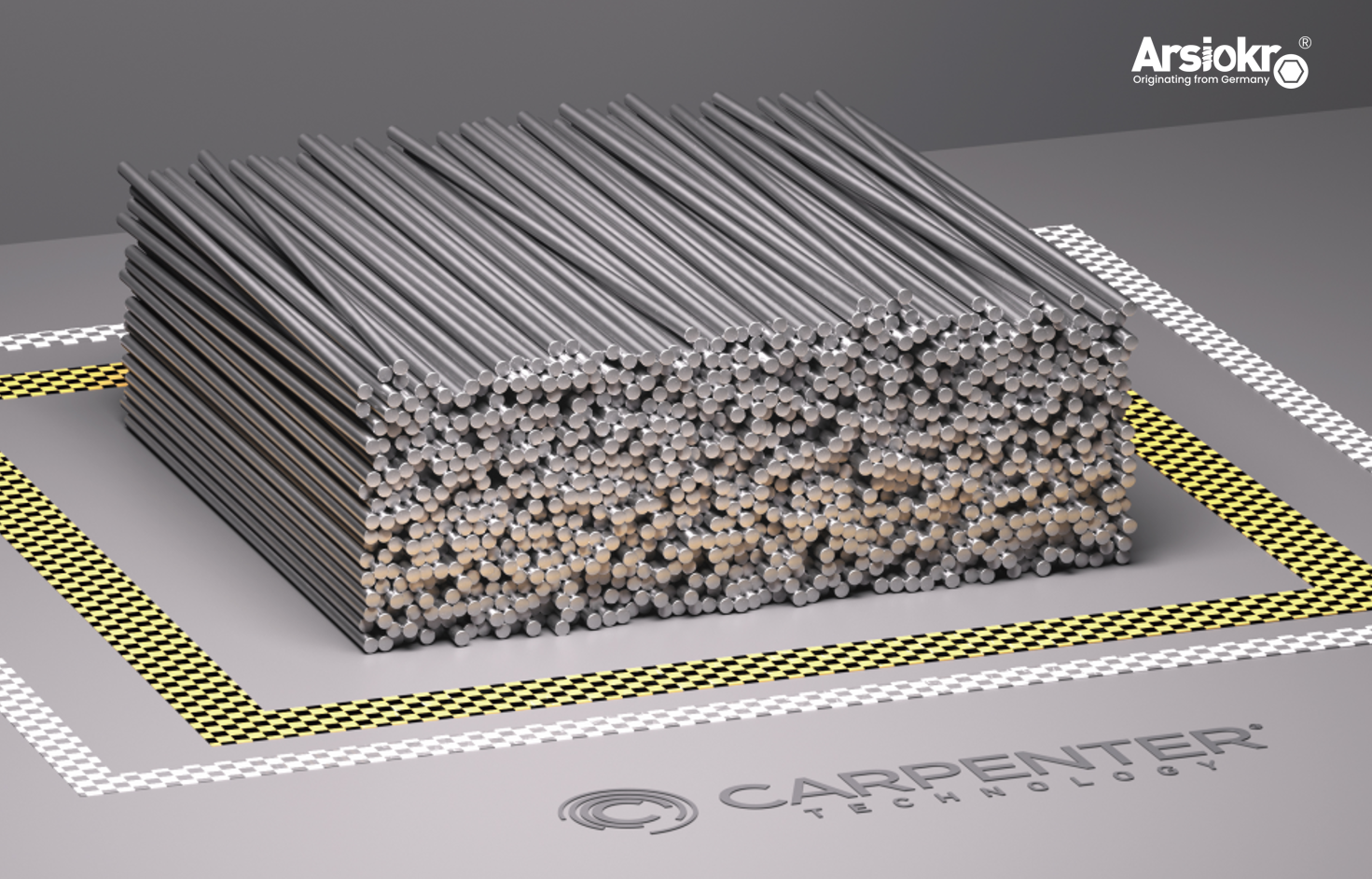
The raw material used for Arsiokr implants is ASTM‑certified Grade 4 cold‑worked titanium. This high‑end material combines the excellent biocompatibility of Grade 4 pure titanium with the strong mechanical properties of Grade 5 titanium alloy. Its tensile strength can reach 1000 MPa, effectively promoting osseointegration and withstanding high occlusal loads. This material is supplied by Dynamet Carpenter, a world‑leading titanium supplier based in the United States, further ensuring the reliability and consistency of implant quality.
When choosing a dental implant material, patients are advised to consider their own oral condition, budget, and fully listen to the recommendations of their professional dentist. The success of implant surgery also depends on the dentist’s proper technique and the patient’s diligent post‑operative care. If any discomfort occurs, a timely follow‑up visit should be made.